Executive Dashboard Insight: 18662161905, 18664089541, 18664175778, 18664521144, 18664560677, 18664855354

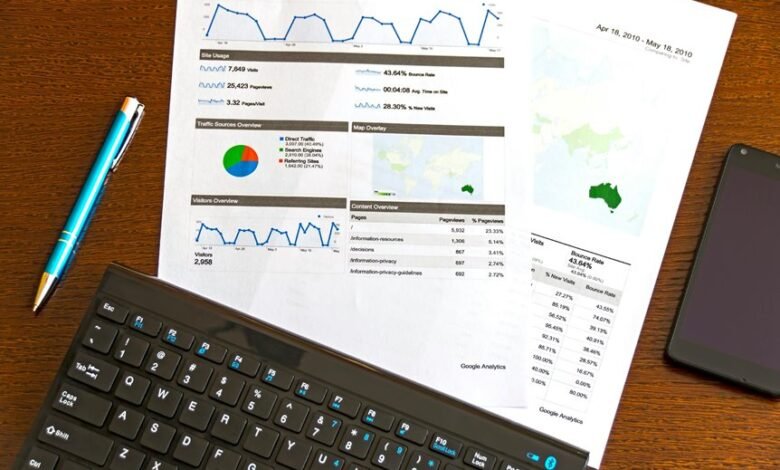
Executive dashboards serve as vital tools for organizations, offering a clear view of critical metrics such as 18662161905, 18664089541, and others. These identifiers represent key insights that can guide strategic decisions. Understanding how to effectively leverage such data is crucial for fostering adaptability and resilience in a competitive landscape. However, the nuances of implementing these dashboards effectively remain a topic worthy of exploration. What strategies can truly enhance their impact?
Understanding the Importance of Executive Dashboards
As organizations navigate increasingly complex business landscapes, the importance of executive dashboards becomes increasingly evident.
These dashboards serve as vital instruments, integrating essential dashboard metrics with visual analytics to present data in an accessible format.
Analyzing Key Data Points for Insightful Decision-Making
A comprehensive analysis of key data points is essential for informed decision-making within organizations.
Effective data visualization techniques enhance the clarity of performance metrics, allowing leaders to identify trends and anomalies swiftly.
By leveraging these insights, organizations can adapt strategies dynamically, fostering a culture of responsive decision-making.
Ultimately, this analytical approach empowers stakeholders to pursue freedom in navigating complex business landscapes.
Strategies for Implementing Effective Dashboard Practices
How can organizations ensure their dashboards effectively serve decision-making needs? By prioritizing dashboard design that emphasizes clarity and relevance, teams can enhance user engagement.
Incorporating real-time data and customizable features allows users to tailor their experience, promoting informed choices. Regular feedback loops from stakeholders further refine the dashboard, ensuring it evolves in alignment with organizational goals and user expectations.
Conclusion
In the landscape of modern business, executive dashboards serve as navigational beacons, illuminating the path to informed decision-making. By analyzing the specified data points, organizations can weave together a tapestry of insights that reveal trends and opportunities. Implementing effective dashboard practices not only enhances clarity but also empowers stakeholders to respond to shifting market dynamics with agility. Ultimately, these tools transform raw data into a vibrant mosaic of actionable intelligence, fostering resilience in an ever-changing environment.