Strategic Growth Dashboard: 8882130616, 8882577731, 8882777965, 8882904634, 8883237625, 8883702358

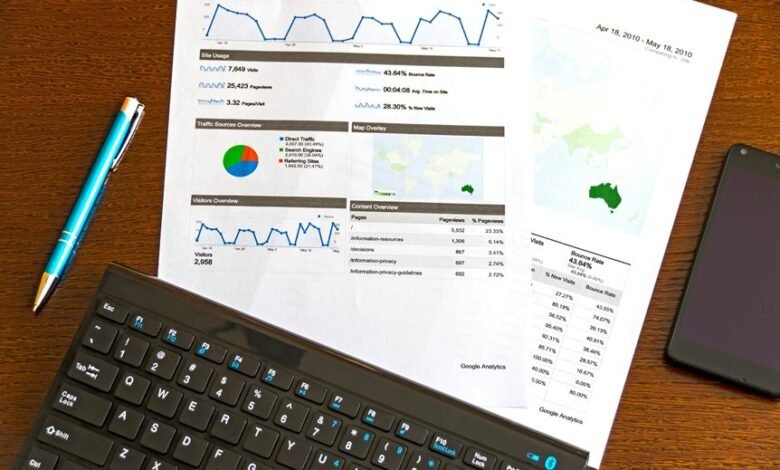
The Strategic Growth Dashboard, marked by unique identifiers like 8882130616 and 8882577731, serves as a pivotal tool for organizations aiming to enhance performance. It enables monitoring of key metrics aligned with long-term goals. This approach fosters accountability among stakeholders. However, the effectiveness of this dashboard hinges on how well these metrics are interpreted and utilized. Understanding these dynamics can reveal deeper insights into organizational growth strategies. What implications might these insights hold for future decision-making?
Understanding Performance Metrics Through Unique Identifiers
Although performance metrics are essential for assessing organizational success, their effectiveness can be significantly enhanced through the use of unique identifiers.
By implementing unique identifiers, organizations can streamline metric analysis, allowing for clearer tracking of performance indicators.
This precision in data collection not only improves the accuracy of evaluations but also fosters a culture of accountability, ultimately supporting the pursuit of greater autonomy within the organization.
Leveraging the Strategic Growth Dashboard for Informed Decision-Making
As organizations navigate complex market landscapes, leveraging the Strategic Growth Dashboard becomes crucial for informed decision-making.
Dashboard utilization enables leaders to monitor strategic metrics effectively, aligning operational activities with long-term objectives. This analytical tool empowers stakeholders to identify trends, assess performance, and allocate resources efficiently, ultimately fostering a culture of data-driven insights that enhances organizational agility and responsiveness to evolving market demands.
Enhancing Business Performance With Data-Driven Insights
Data-driven insights play a pivotal role in enhancing business performance, with 70% of organizations reporting improved decision-making capabilities through their use.
By employing data visualization techniques, businesses can interpret complex data clearly, facilitating strategic planning.
Additionally, predictive analytics enables organizations to anticipate market trends and customer needs, empowering them to make proactive decisions that drive growth and foster competitive advantage.
Conclusion
In conclusion, the Strategic Growth Dashboard serves as a compass guiding organizations through the complexities of performance metrics. By utilizing unique identifiers, stakeholders can navigate the landscape of data-driven insights, fostering informed decision-making and enhancing overall business performance. This analytical tool not only illuminates trends but also fortifies accountability, empowering organizations to chart a course toward sustained growth and competitive advantage. Ultimately, it transforms raw data into a strategic asset, ensuring clarity in the pursuit of long-term objectives.